
Turning Enterprise Relationships Into Revenue
$4M
revenue generated
60%+
key account coverage
300%
increase in organic traffic
Limelight Platform, a fast-growing experiential marketing SaaS startup, sought to expand its enterprise footprint by landing high-value accounts in the automotive and financial services sectors. However, traditional demand generation approaches were failing to gain traction with enterprise buyers, who required highly tailored solutions and deeper engagement.
Challenges
Breaking Into Enterprise Accounts: Limelight’s existing marketing approach was too broad and generic to effectively penetrate high-value accounts like GM, Ford, and Morgan Stanley.
Aligning Sales and Marketing: The sales team struggled with long sales cycles and limited marketing support tailored to their needs.
Lack of Personalization: Existing campaigns failed to resonate with enterprise prospects, who expected a customized and insight-driven buying experience.
Strategy: A Scalable Account-Based Marketing (ABM) Approach
As Limelight’s first senior marketing leader, I built and implemented a structured Account-Based Marketing (ABM) strategy that transformed how the company engaged enterprise prospects. The strategy unfolded in two key phases:
Phase 1: 0 to 1 – Proving the ABM Concept
To test and validate the ABM model, we started with a focused 1:1 and 1:few approach targeting high-value accounts in the automotive sector. Key steps included:
Deep Market Research: Collaborated with Sales to identify pain points in automotive event marketing.
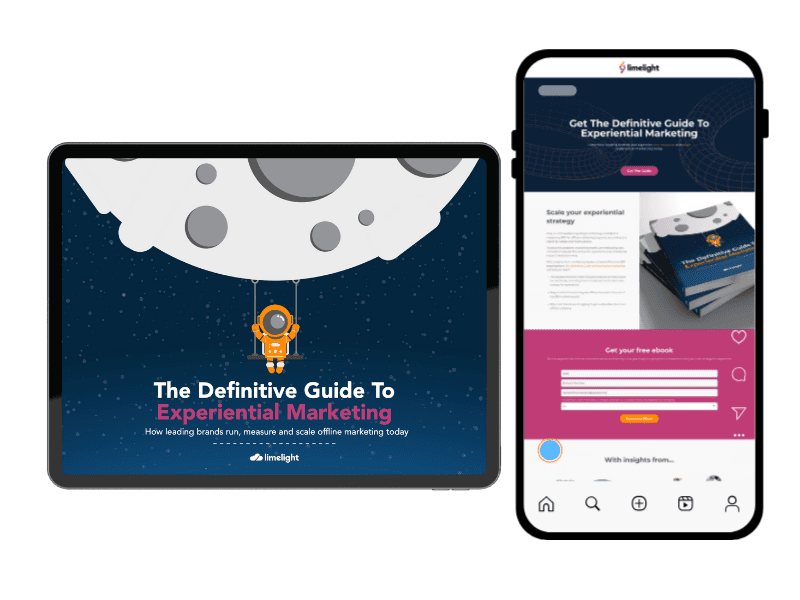
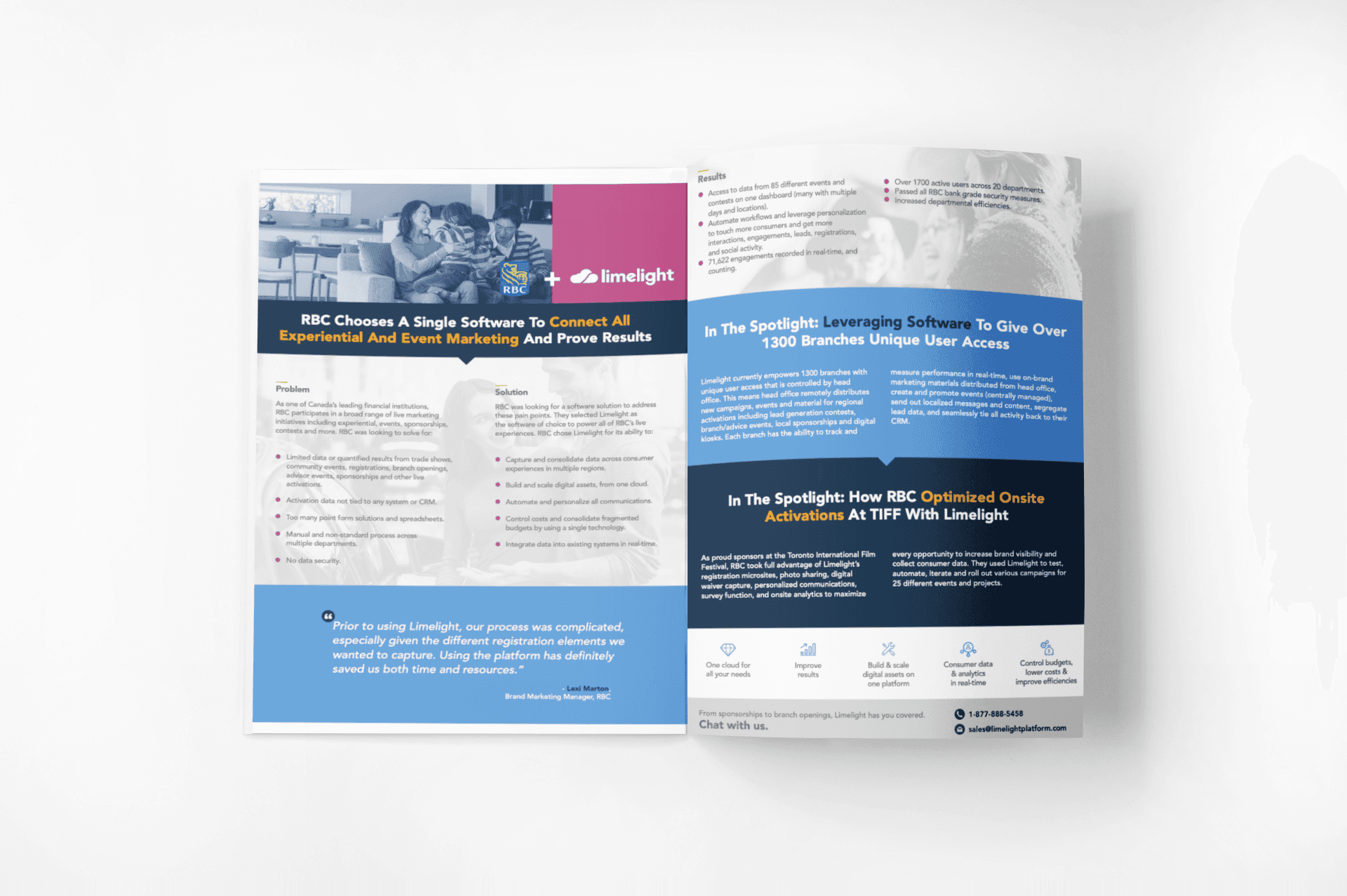
Hyper-Personalized Content: Developed industry-specific whitepapers, case studies, executive workshops and other thought leadership pieces tailored to each account’s challenges.
Tightly Aligned Sales and Marketing Execution: Built a playbook that integrated marketing touchpoints into the sales process, ensuring a seamless buyer journey.
Technology & Data Utilization: Leveraged Demandbase, LinkedIn Ads, and HubSpot to personalize outreach and track engagement signals.
Phase 2: 1 to 10 – Scaling the ABM Model
Once the initial campaigns demonstrated strong engagement, we expanded the strategy across multiple enterprise verticals:
Automotive: Extended outreach to Toyota, Hyundai, and other OEMs using insights from existing clients BMW and Porsche.
Financial Services: Applied the same ABM framework to Financial Services brands leveraging insights from clients like Scotiabank, RBC, and Allstate.
Content-Driven Sales Enablement: Equipped Sales with vertical-specific case studies, custom RFPs, sales cadences and other custom content to accelerate deal velocity.
Customer Success Alignment: Extended ABM framework to empower Customer Success teams through key account upsell and retention strategies.
Results
Drove $4M in revenue, doubling Sales-Qualified Leads (SQLs) in one year.
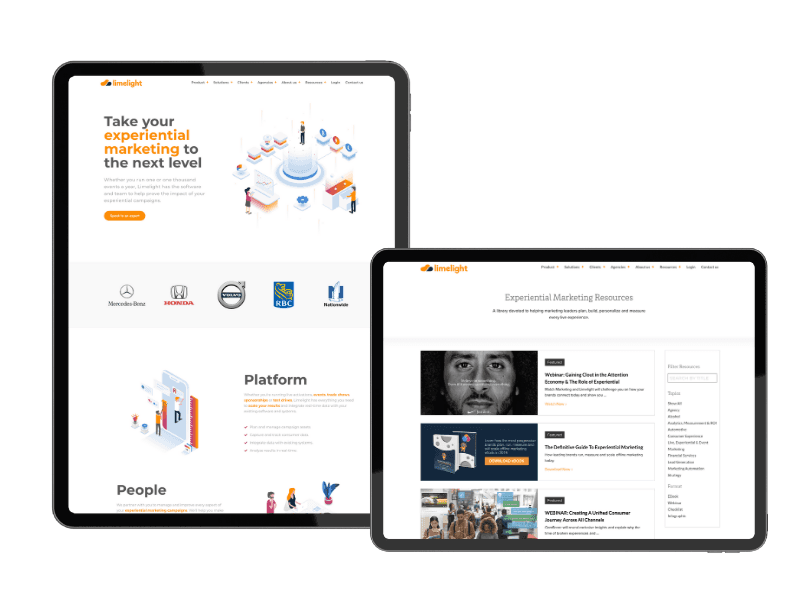
Increased organic traffic by 300%+, fueling inbound demand and reducing acquisition costs.
Expanded the enterprise pipeline by ~50%, accelerating deal velocity and conversion rates.
Engaged flagship Fortune 500 clients
Made ABM the core GTM strategy, aligning Marketing, Sales, and Customer Success.
Grew enterprise opportunities by 113%, solidifying Limelight as a category leader.
Key Takeaways
ABM Works Best When Sales and Marketing Are Fully Aligned. The success of this initiative hinged on cross-functional collaboration.
Deep Personalization Wins in Enterprise Sales. Generic outreach doesn’t cut it—tailored messaging and hyper-targeted content made all the difference.
Scalability Comes From a Playbook-Driven Approach. Once we validated the model, we systematized it to expand into new industries and accounts.
This case study illustrates how a structured ABM-led GTM strategy can transform a startup’s ability to land and expand enterprise relationships—something I’ve since applied across SaaS, nonprofit, and other mission-driven organizations.